The Ultimate Guide to Roof Storm Damage Repair: How to Protect Your Home After Severe Weather
Why Storms and Roofs Don’t Mix Well
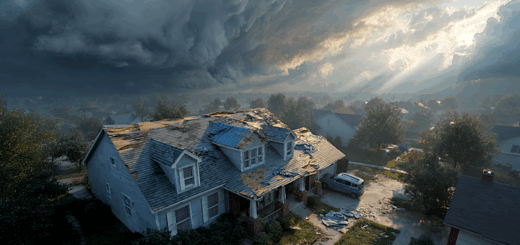
Roofs are built to take a beating, but storms push them to the edge. High winds can lift shingles like loose playing cards. Hail can dent metal and shatter tiles. Heavy rain sneaks into cracks, dripping down into ceilings and walls.
For homeowners, it’s not just about replacing a few shingles. Storm damage can weaken the entire roof system, from underlayment to flashing. And the tricky part? Sometimes the damage looks minor from the ground, but it’s silently letting water into your home.
The Types of Storm Damage That Can Wreck a Roof
Not all storms hit the same way. Knowing the specific threats helps you spot issues quickly.
- Wind Damage
– Shingles torn off completely
– Creased or lifted shingles that let water in
– Loose flashing around chimneys or vents - Hail Damage
– Granules knocked off asphalt shingles
– Dents in metal panels
– Cracks in slate or tile roofs - Heavy Rain
– Water ponding on low-slope roofs
– Leaks through compromised underlayment
– Flash flooding washing away gutter systems - Fallen Debris
– Branches punching holes in decking
– Weight stress from limbs pressing on rafters
– Damage to ridge vents or soffits - Ice & Snow (for northern readers)
– Ice dams pushing water back under shingles
– Frozen gutters splitting from weight
– Structural stress from snow accumulation
How to Spot Roof Storm Damage from the Ground
You don’t have to climb up to know your roof’s hurting. Start with these ground-level checks:
- Shingle debris in your yard: Missing pieces usually mean exposed decking.
- Dented gutters or siding: If hail hit those, it hit your roof too.
- Water spots on ceilings: The clearest sign water has already breached.
- Neighbors replacing roofs: Storms don’t pick favorites. If others are fixing theirs, check yours.
Why You Shouldn’t Delay Storm Damage Repairs
Storm damage isn’t a “wait and see” problem. Even a single missing shingle can spiral into:
- Leaks that spread mold inside insulation and drywall
- Wood rot that weakens rafters and decking
- Increased energy bills as air leaks through damaged spots
- Insurance battles if claims aren’t filed promptly
Insurance adjusters expect homeowners to act quickly. Delay too long, and coverage may shrink—or vanish.
Step-By-Step Guide to Handling Roof Storm Damage
Here’s what to do right after a storm hits:
Step 1: Stay Safe
Avoid climbing onto your roof in wet, windy, or unstable conditions. Downed power lines and unstable decking can be deadly.
Step 2: Document Everything
Take photos from multiple angles. Capture damaged siding, fences, or cars too—insurance adjusters want the whole picture.
Step 3: Call a Trusted Roofer First, Not Just Insurance
Roofers see damage adjusters sometimes miss. Having a professional inspection before filing a claim gives you leverage.
Step 4: Secure Temporary Protection
Tarping or emergency patching can stop leaks until full repairs are scheduled.
Step 5: File the Claim Quickly
Insurance companies typically have strict timelines. Provide photos, contractor reports, and receipts for temporary fixes.
Step 6: Schedule Permanent Repairs
Whether it’s replacing a few shingles or re-roofing entirely, don’t delay. Water intrusion worsens fast.
Storm Damage Repair Options: What Roofers Do
Professional roofers have multiple solutions depending on the scale of damage:
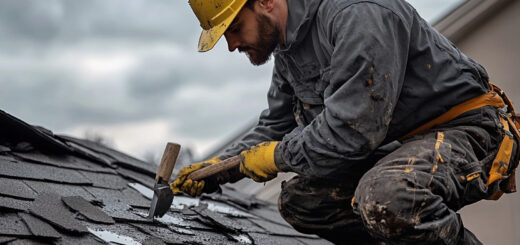
- Shingle Replacement: For isolated missing or damaged shingles.
- Flashing Repairs: Around chimneys, skylights, and vents.
- Underlayment Replacement: Essential if water penetrated beneath shingles.
- Partial Roof Replacement: If only one section of the roof took the hit.
- Full Roof Replacement: For widespread damage or aging roofs that won’t last through another storm season.
Costs: What to Expect for Roof Storm Damage Repairs
Roof storm damage repair costs vary depending on materials, size, and labor. A ballpark breakdown:
- Minor repairs: $300 – $1,000
- Moderate repairs: $1,000 – $3,500
- Full replacement: $7,500 – $30,000+
Metal, slate, and tile run higher, while asphalt shingles remain the most affordable.
For reference, the Insurance Information Institute reports that wind and hail make up the most common homeowners’ claims in the U.S. (https://www.iii.org/fact-statistic/facts-statistics-homeowners-and-renters-insurance).
Preventing Storm Damage Before It Happens
Repairs are expensive, but prevention costs less. A few steps make a huge difference:
- Schedule annual inspections before storm season.
- Trim back overhanging branches to reduce falling debris risks.
- Upgrade to impact-resistant shingles or metal roofing.
- Clean gutters and downspouts so water flows freely.
- Reinforce flashing and ridge caps ahead of time.
- Even FEMA recommends regular roof maintenance as a critical part of storm preparation (https://www.fema.gov/assistance/public/planning-guidance).
Roofing Materials and Their Storm Resistance
If you’re replacing your roof after storm damage, material choice matters:
- Asphalt Shingles: Affordable but vulnerable to wind and hail.
- Metal Roofing: Excellent resistance to hail and wind; long lifespan.
- Tile Roofing: Durable but can crack under direct hail strikes.
- Slate Roofing: Beautiful and long-lasting, but costly and heavy.
- Synthetic Shingles: Newer options mimic wood or slate with better impact ratings.
FAQs: Roof Storm Damage Repair
Q1: How soon should I repair storm damage?
Immediately. Even a minor leak can worsen quickly and void insurance coverage if ignored.
Q2: Will insurance cover my roof damage?
Most policies cover sudden storm damage, but not pre-existing wear. Always check policy language.
Q3: Can I repair storm damage myself?
Small fixes like tarping are fine temporarily, but climbing on a damaged roof without training is unsafe and may hurt insurance claims.
Q4: How long does roof storm damage repair take?
Minor repairs may take hours. Full replacements can take 2–5 days, depending on material and crew size.
Q5: What’s the best roofing material for storm resistance?
Metal and impact-resistant shingles perform best in high wind and hail regions.
Wrapping It Up
Storm damage can turn your safe home into a liability overnight. Acting fast—documenting damage, working with a trusted roofer, and filing claims quickly—can save thousands. Prevention through maintenance and strong materials keeps the odds in your favor.
If your roof just took a beating, don’t gamble. Get it checked, get it fixed, and protect your home for the storms still to come.